
Adaptive Environments

Your environment
shapes your brain.
We’re making it intelligent.

A single object that configures light, sound, timing and context, built by a research-driven hardware company studying how physical environments shape attention, learning and rest.

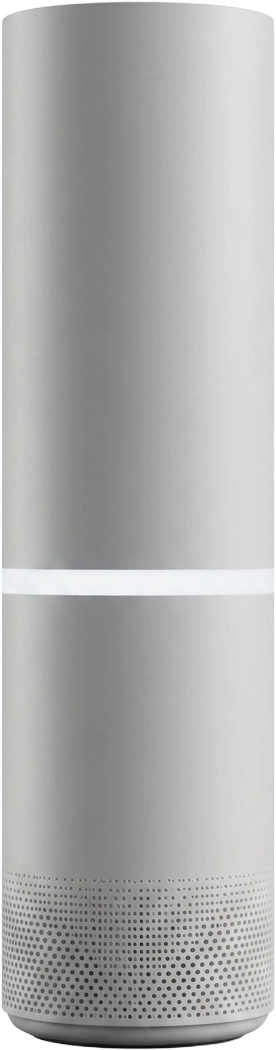
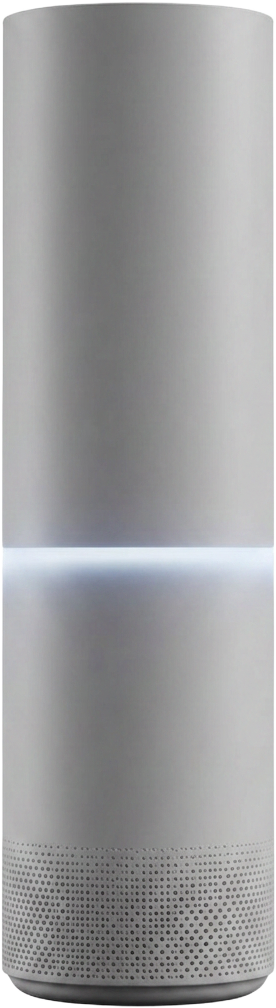
IntelliLight, front elevation

Reduce the noise.
Narrow the field.

Audio / 40 Hz, Gamma-range auditory modulation. Higher-clarity cool-neutral light environment.

View

← Drag to rotate the object →

Prototype mode parameters are experimental IntelliLight configurations informed by research into light and auditory environments. They may evolve through validation and are not clinical prescriptions.

Neuroscience-informed

Evidence before manufacture

Ambient, not another screen

The problem

We optimise our
devices. We ignore
the room.

Most people work, study and rest in environments that were never designed for the task at hand. Light is fixed. Sound is accidental. Timing is arbitrary. The environment is treated as a background condition rather than a variable that can be configured.

Light

Fixed, mostly wrong for the hour

Sound

Uncontrolled and unowned

Timing

Arbitrary rather than biological

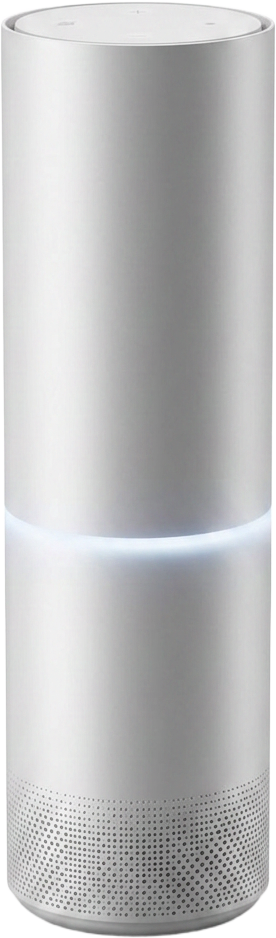
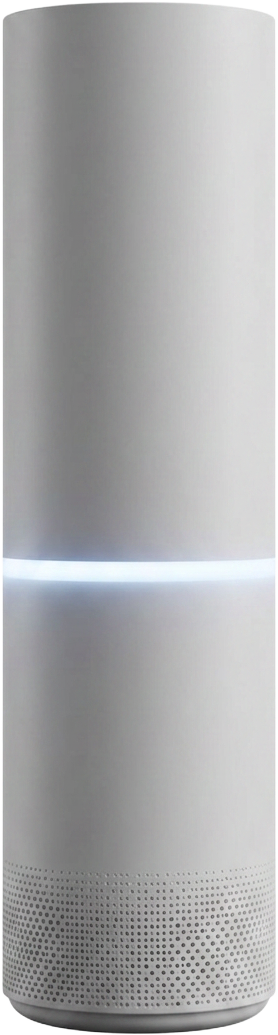
IntelliLight photographed at a three-quarter angle under low-key studio light

FIG. 01 / IntelliLight, left three-quarter elevation

The object

Cognitive technology
you don’t have to wear.

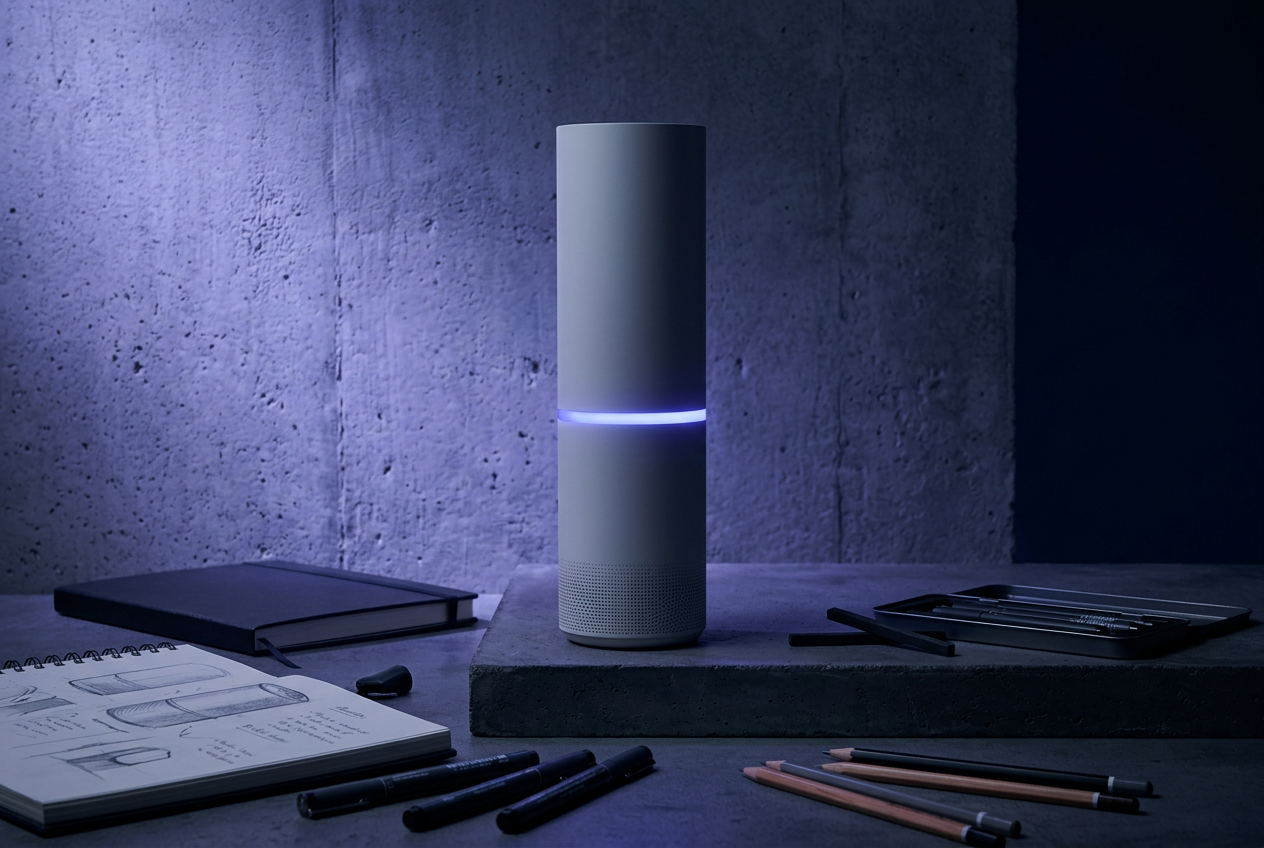
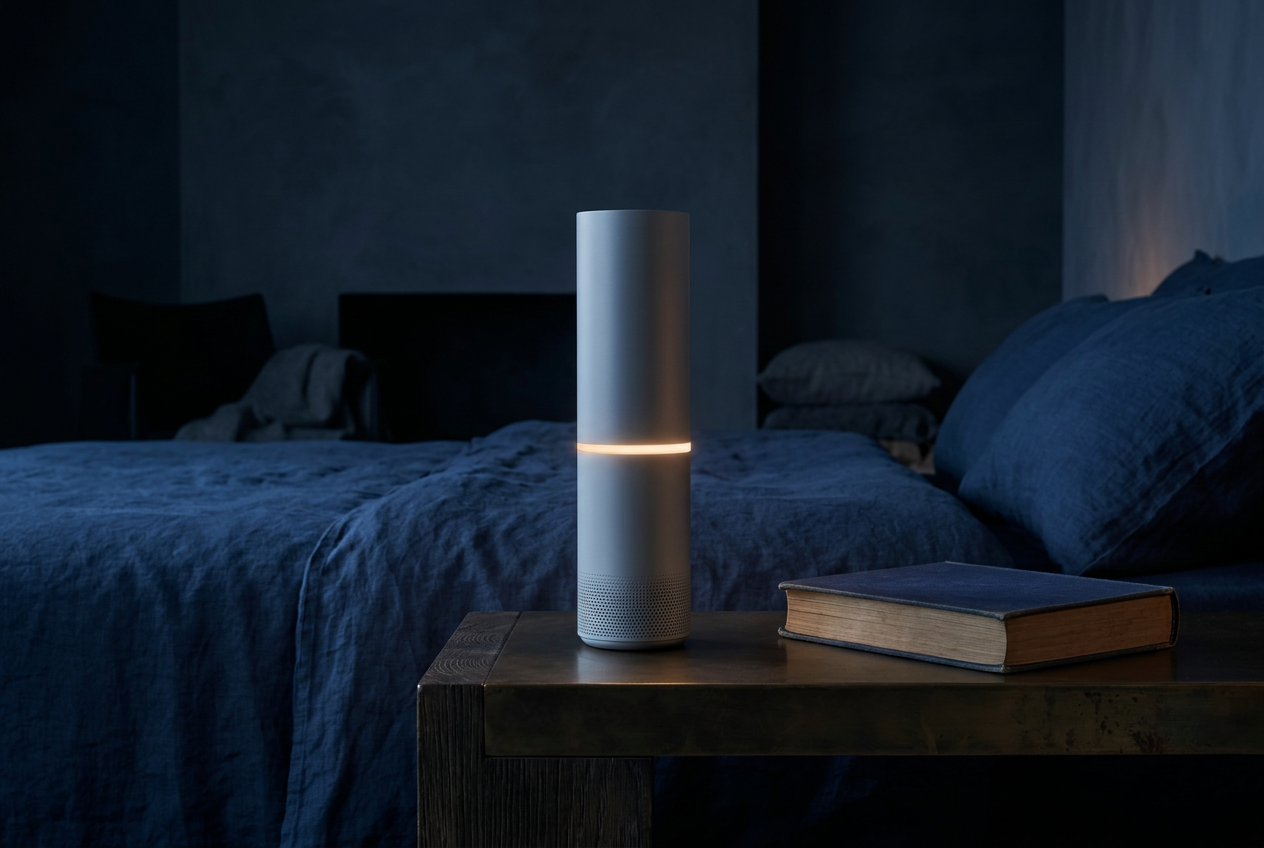
IntelliLight is a single cylindrical object for the desk or the bedside. It does not measure you. It configures the four environmental variables that surround the work you are trying to do.

Light
Spectrum, intensity and direction, configured for the hour and the task.
Sound
A deliberate acoustic floor instead of whatever the room happens to contain.
Time
A 24-hour shape rather than a single fixed setting.
Context
The room, the task and the moment, held together as one state.

In use

One object / desk, study, studio, bedside

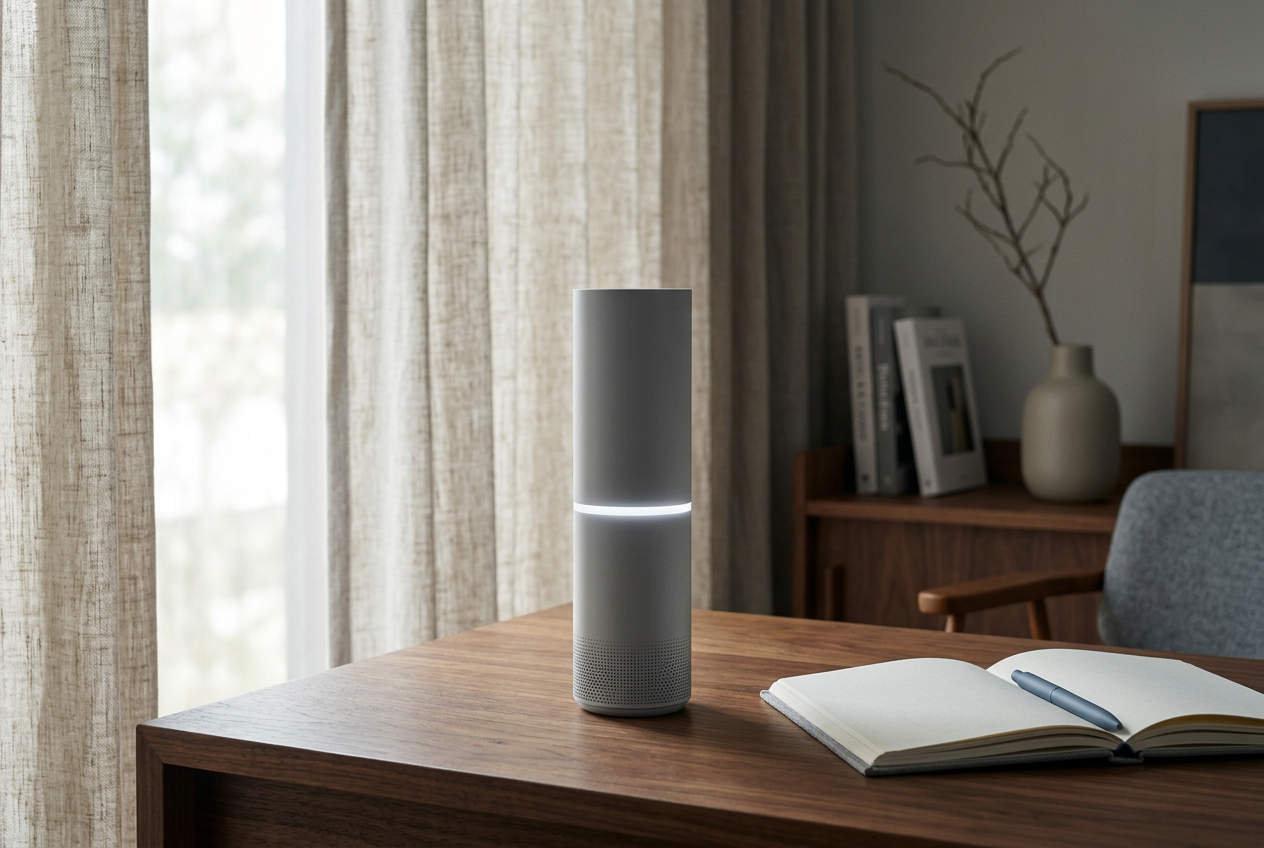
IntelliLight at the desk, in the hyper focus environment
At the desk, Mode / HYPER FOCUS
IntelliLight in the study, in the learn environment
In the study, Mode / LEARN
IntelliLight in the studio, in the create environment
In the studio, Mode / CREATE
IntelliLight at the bedside, in the reset environment
At the bedside, Mode / RESET
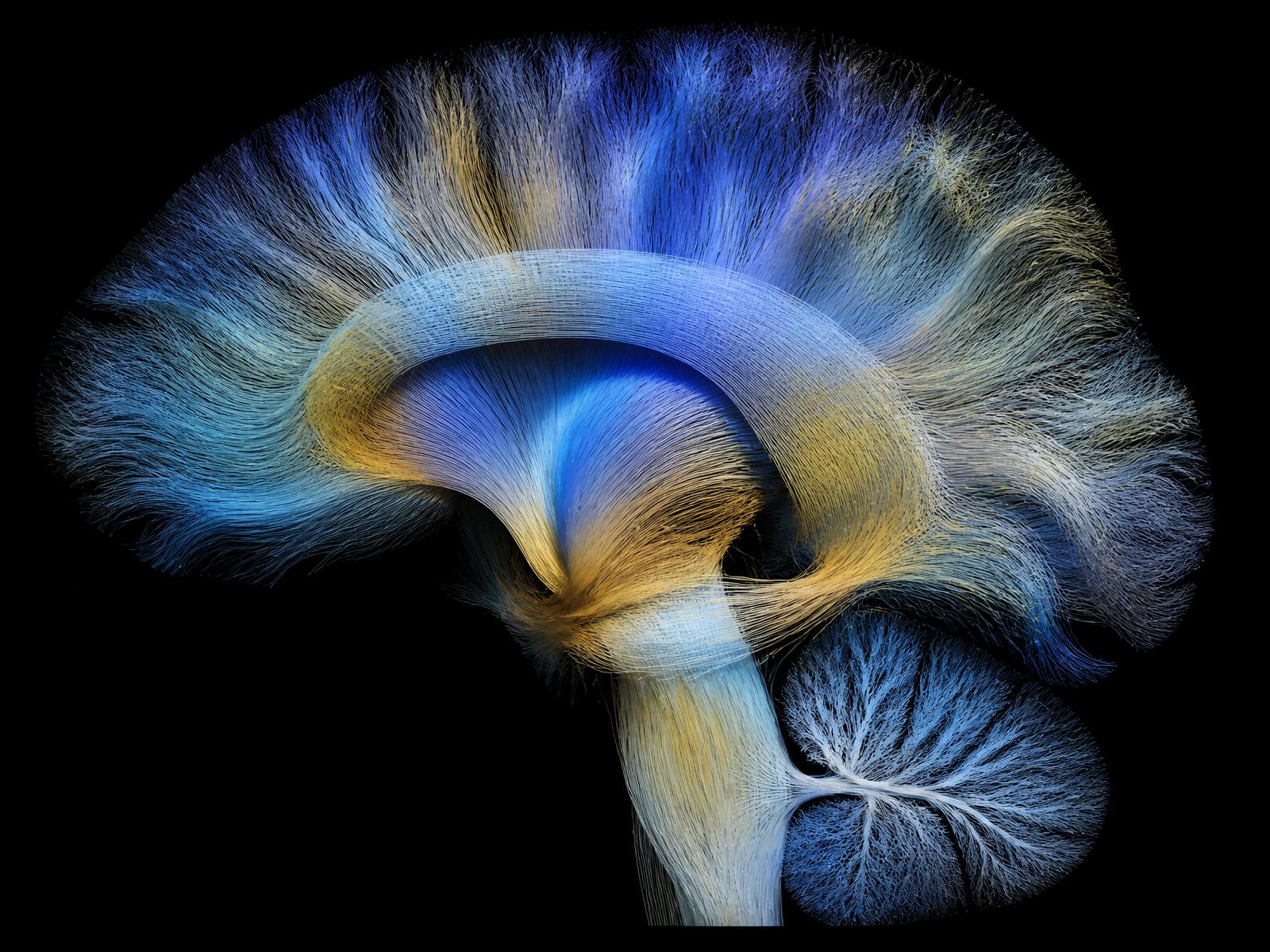
Conceptual tractography-inspired visualization of white-matter pathways in sagittal view

Cognition is not only internal. It is continuously negotiated with the room.

FIG. 02 / Fiber pathways, sagittal viewConceptual visualization. Not measured neural data; IntelliLight does not read brain activity.

Fig. 03 / Pathway

Light is not
only seen.

Environmental light reaches photoreceptive pathways that project toward structures associated with circadian timing and arousal, not only toward vision.

Read the science

FIG. 03 / Schematic pathwaySimplified conceptual schematic for communication. Individual responses vary.

Schematic pathway: environmental light enters the eye, reaches photoreceptive pathways of the retina, projects toward circadian and cortical structures, and contributes to an environmental response.LIGHTEYE / RETINAPHOTORECEPTIVE PATHWAYCIRCADIAN + CORTICAL STRUCTURESRESPONSE

Three questions

Science, then data,
then a product.

I

The Science

Why should the environment matter?

Research across light, circadian biology, attention, environmental psychology and sensory processing gives us a foundation for investigating how physical environments interact with human cognition and behavior.

Explore the science
II

The Data

What does the evidence tell us to build?

Customer discovery, behavioral validation, experimentation, product analytics and commercial modeling continuously challenge our assumptions before anything is manufactured.

Read the evidence

III

The Vision

Where does this lead?

Toward ambient computing: environments that hold context and respond to intent, without demanding another screen, another notification or another interface.

See the vision

Fig. 05 / Transformation

Biology becomes signal.
Signal becomes environment.

Conceptual transformation: organic fiber pathways resolve into individual measurement points, then into a structured distribution, then into a decision, which configures the device and finally the surrounding environment.BIOLOGYSIGNALDATADECISIONPRODUCTENVIRONMENT

Conceptual schematic of the IntelliLight approach. It does not depict measurement of a user’s neural activity.

Mode / FOCUS

One object.
Four environments.

IntelliLight in the focus environmentIntelliLight in the learn environmentIntelliLight in the create environmentIntelliLight in the reset environment
Fig. 01 / Focus environment, design intent, not a measured effect

Reduce the noise.
Create the conditions for deep work.

Light
Cool
Intensity
Controlled
Audio
Minimal
State
Focus
  • CCT 5000K
  • LUX 320
  • AUDIO, LOW
  • PACING, SLOW

Modes configure environmental variables. They are not claimed to guarantee cognitive outcomes; responses vary between people, tasks and contexts.

Early evidence

We validate
before we build.

Data at IntelliLight is not a reporting layer. It is part of the product-development system, the mechanism that decides what is worth manufacturing.

Inside the evidence system
42
Parent interviews
92%
Reported problem fit
80%
Stated purchase intent
74%
Gift appeal
60+
Student opt-ins
11+
Completed validation sessions

These are early customer-discovery findings, not population-level market estimates.

Object / 001

Designed to
disappear into
the environment.

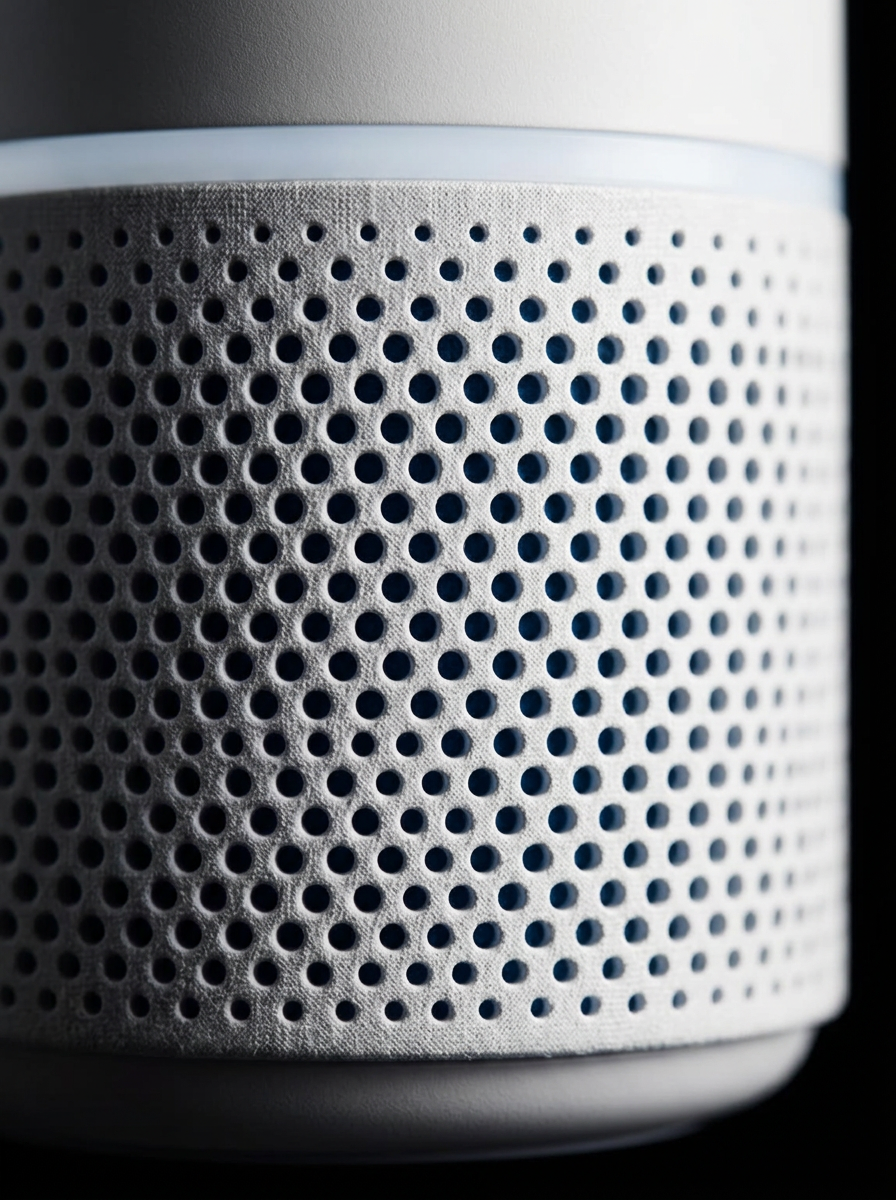
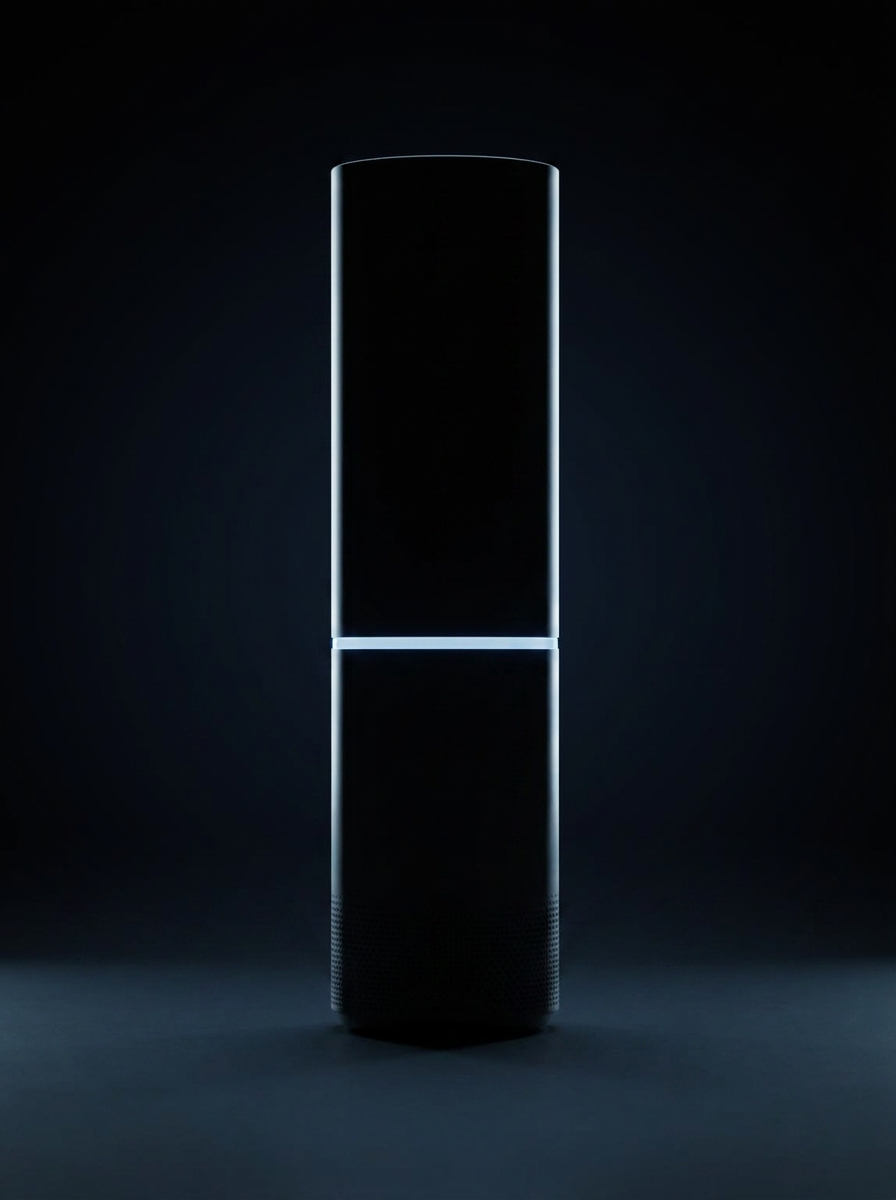
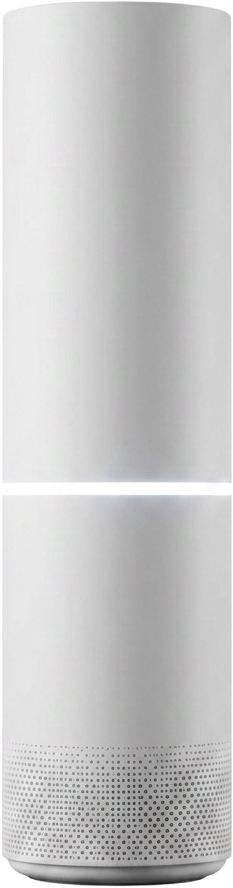
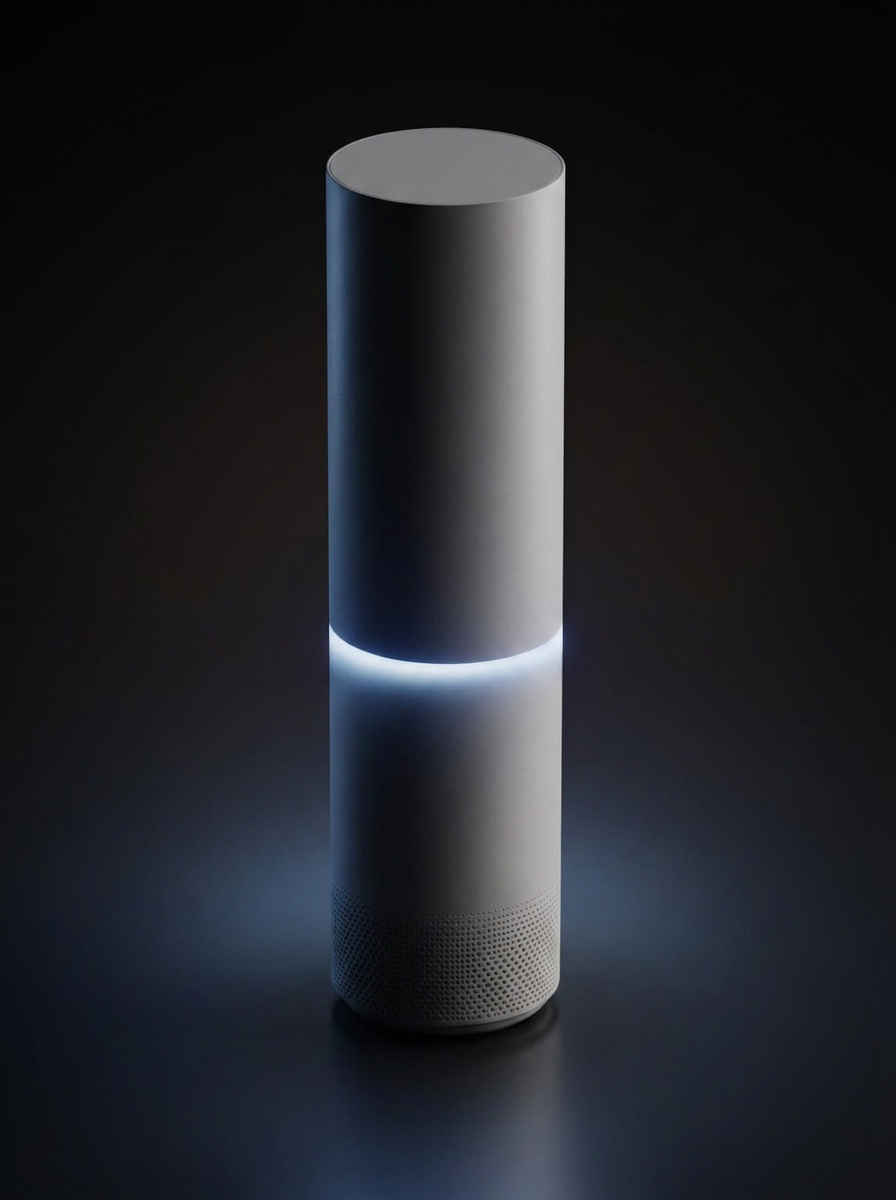
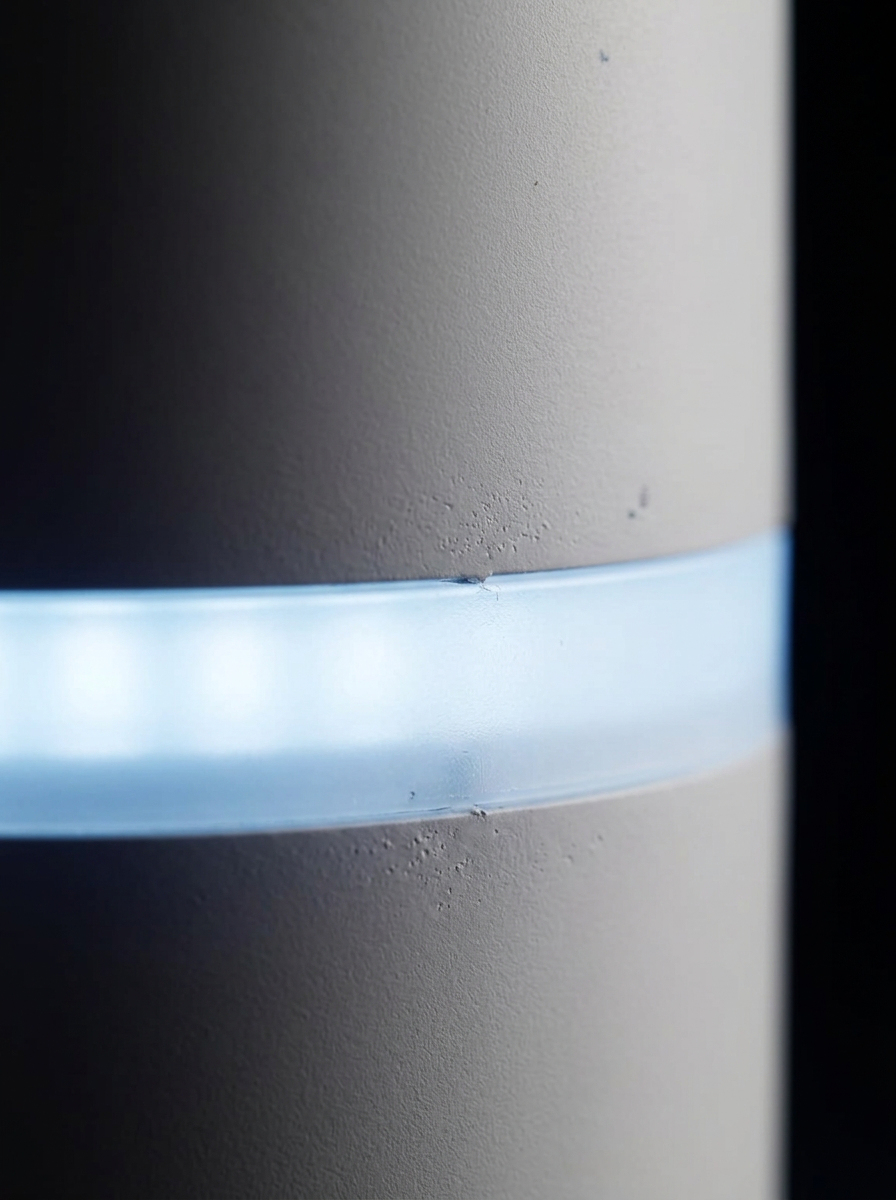
One cylindrical body. A matte shell, a diffused luminous band, a perforated acoustic base. The object is intended to be read as furniture before it is read as technology.

IntelliLight photographed at a three-quarter angle under low-key studio light

FIG. 11 / Three-quarter elevation

Macro detail of the IntelliLight light band and its precision seam

FIG. 12 / Light band / seam detail

Macro detail of the perforated acoustic section of IntelliLight

FIG. 13 / Acoustic surface

IntelliLight side profile, rim-lit against a black field

FIG. 14 / Profile / proportion

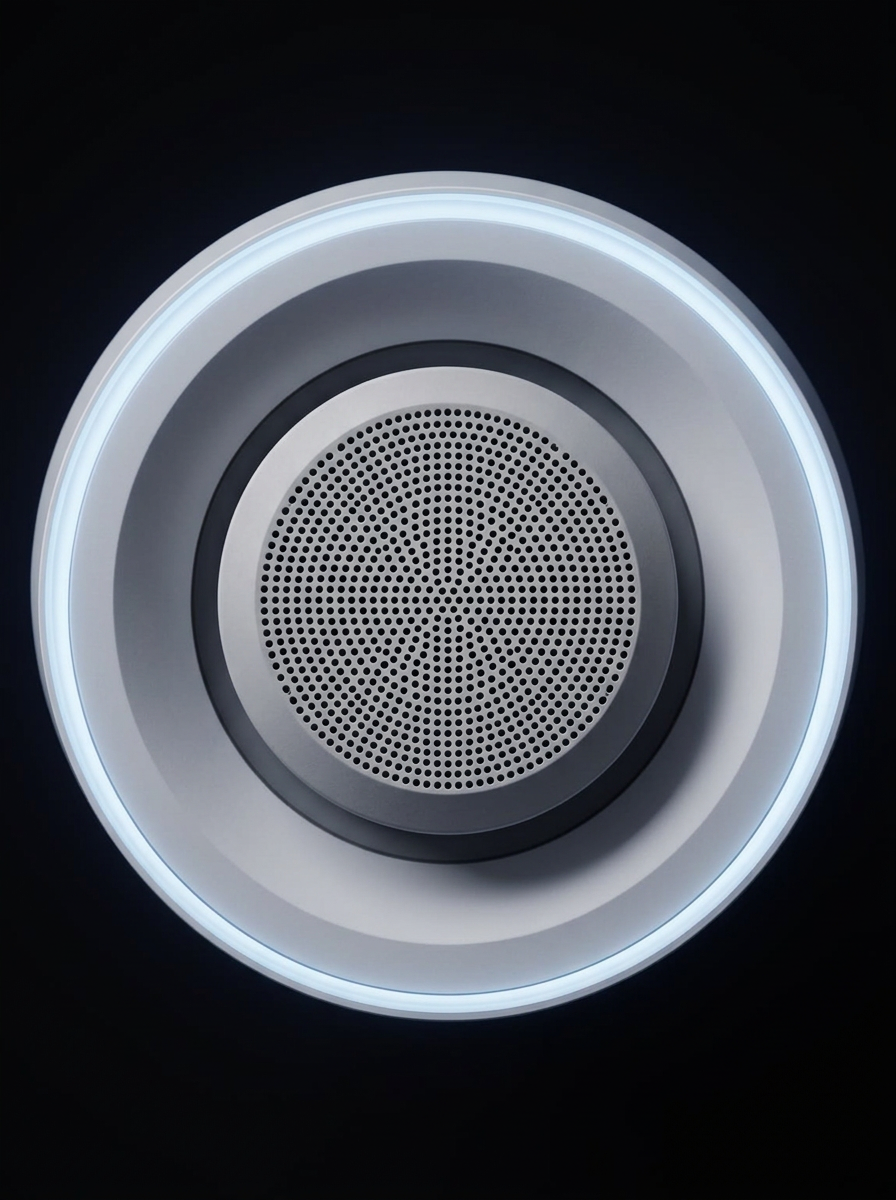
IntelliLight from above: concentric matte rings and a circular acoustic aperture

FIG. 15 / Plan view

Material, proportion and light
before interface.

Body
Matte cylindrical shell
Band
Diffused luminous aperture
Base
Perforated acoustic section
Interface
Environmental, not screen-based

Design intent shown. Components and specifications are not finalized.

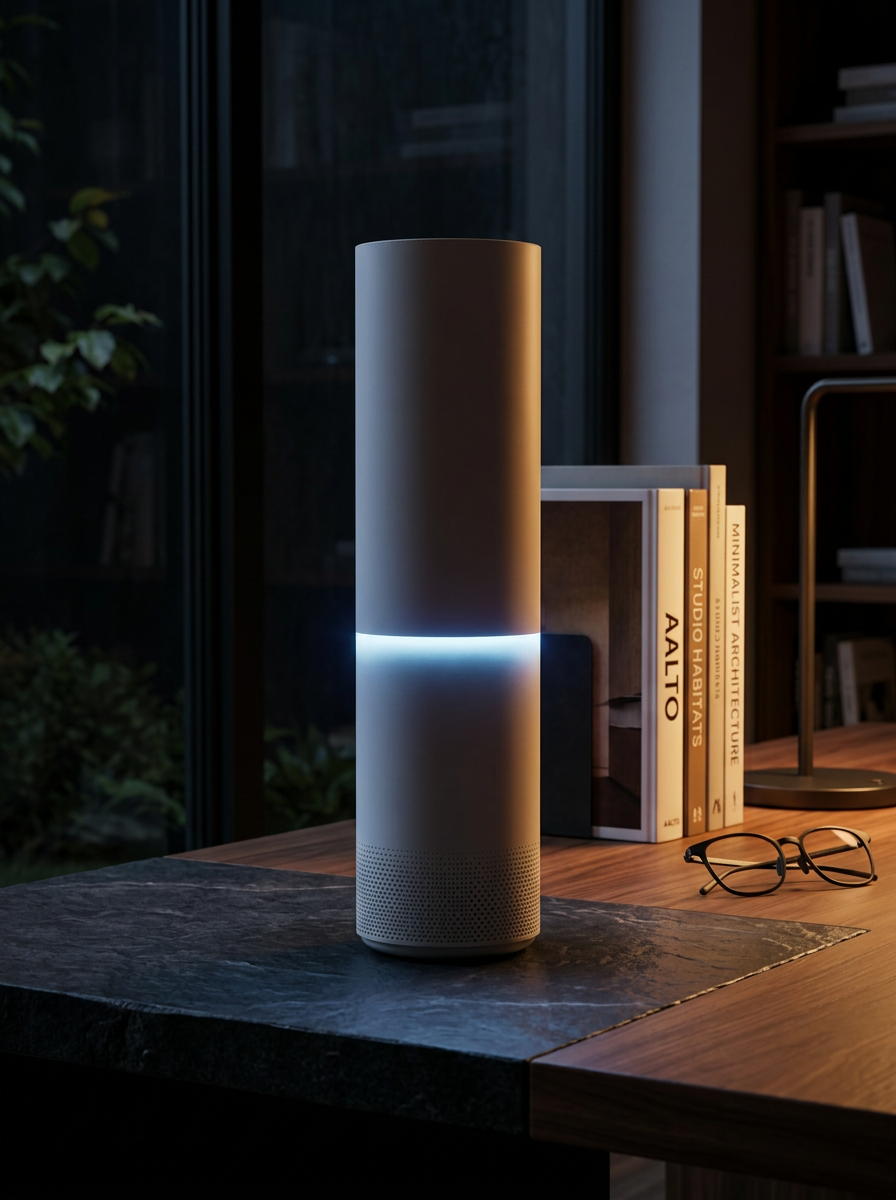
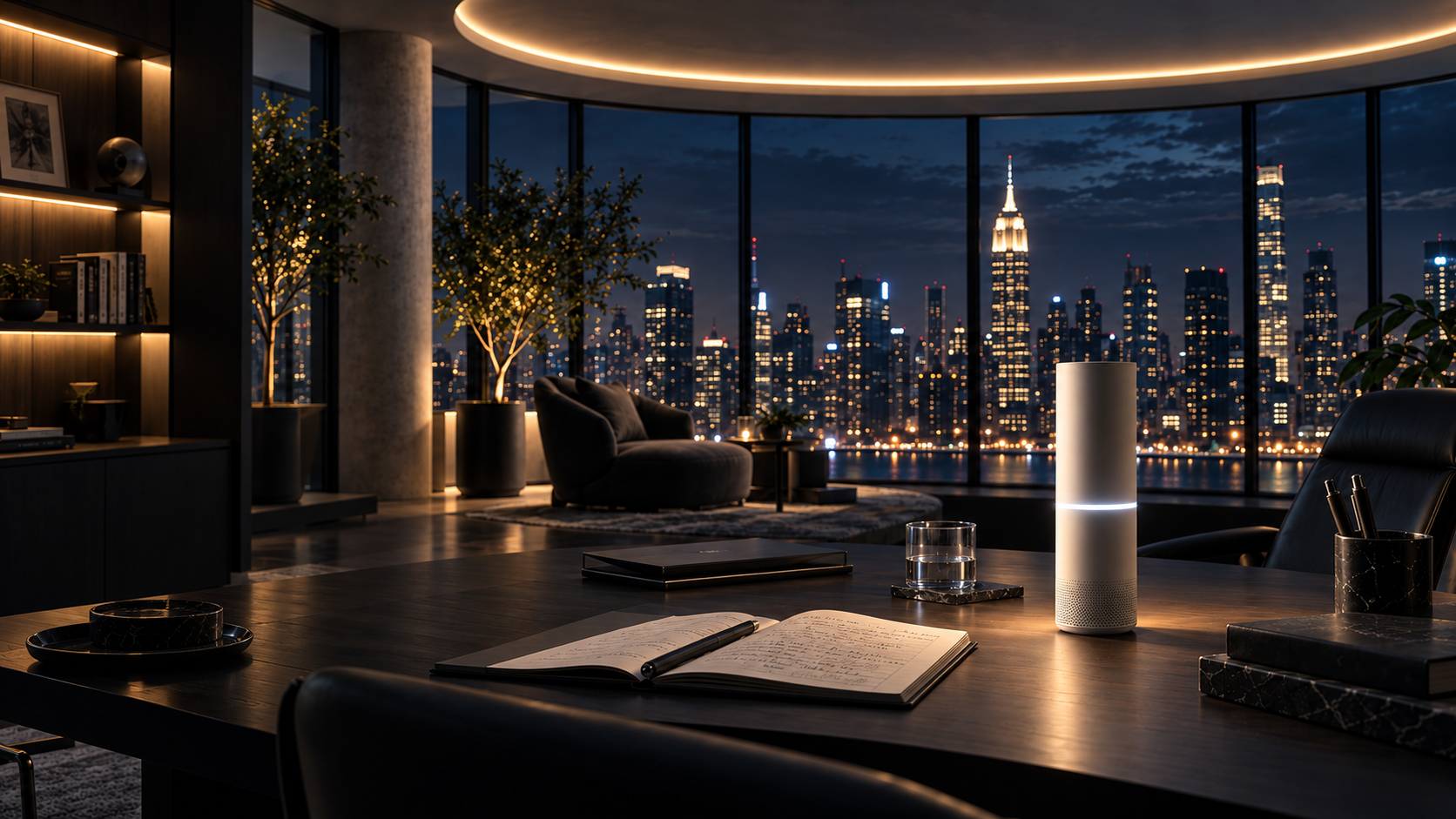
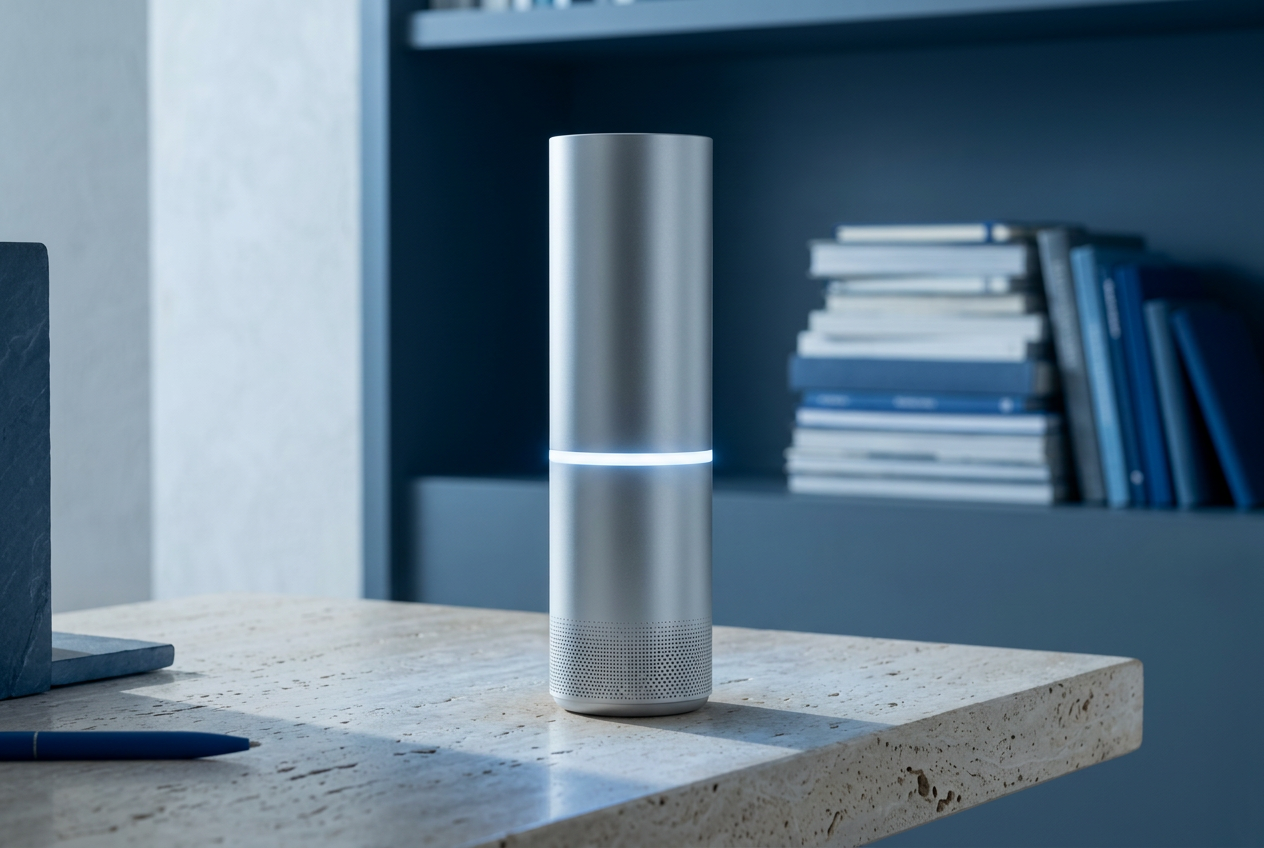
IntelliLight on a walnut and stone desk in a dark contemporary study

FIG. 16 / In situThe object is intended to sit inside an environment, not in front of one.

The team

Different disciplines.
One question.

Meet the team
  • 01

    Pahul Sachdeva

    Founder

    The question came first. The company came after it.

  • 02

    Shayan Bhatti

    Founding Technical Engineer

    Turning a thesis into something testable, buildable and real.

  • 03

    Aizaz Faisal

    Chief Financial Officer

    Hardware makes its decisions early. Someone has to model them.

Not another screen. A room that already knows what the work requires.

The environment becomes the interface.

Early access

Follow IntelliLight
as we build.

Join the early-access community for prototype updates, research developments, testing opportunities and future product announcements.

IntelliLight is an emerging technology platform under development. Product concepts, specifications and functionality may evolve as research, validation and product development continue. IntelliLight is not intended to diagnose, treat, cure or prevent any medical condition.

We use your details only to share IntelliLight research and product updates. You can unsubscribe at any time.